Once a dumpster lands in your driveway, the temptation is to throw everything in it. Most of the time that's fine — but a handful of items are prohibited for real reasons, and tossing them in can mean a rejected load, an extra fee, or a genuine safety hazard. Here's the complete, plain-English breakdown of what belongs in your roll-off and what needs a different home.
In this guide
The Simple Rule of Thumb
If it's a solid, non-hazardous material that came out of a home, a yard or a construction project, it can almost certainly go in the dumpster. The exceptions fall into three buckets: things that are hazardous, things that are bad for the environment or banned from landfills, and things that are too heavy or specialized to handle in a standard container. Keep those three buckets in mind and you'll rarely go wrong.
What You CAN Throw Away
The good news is that the accepted list is long. In a typical rental you can toss:
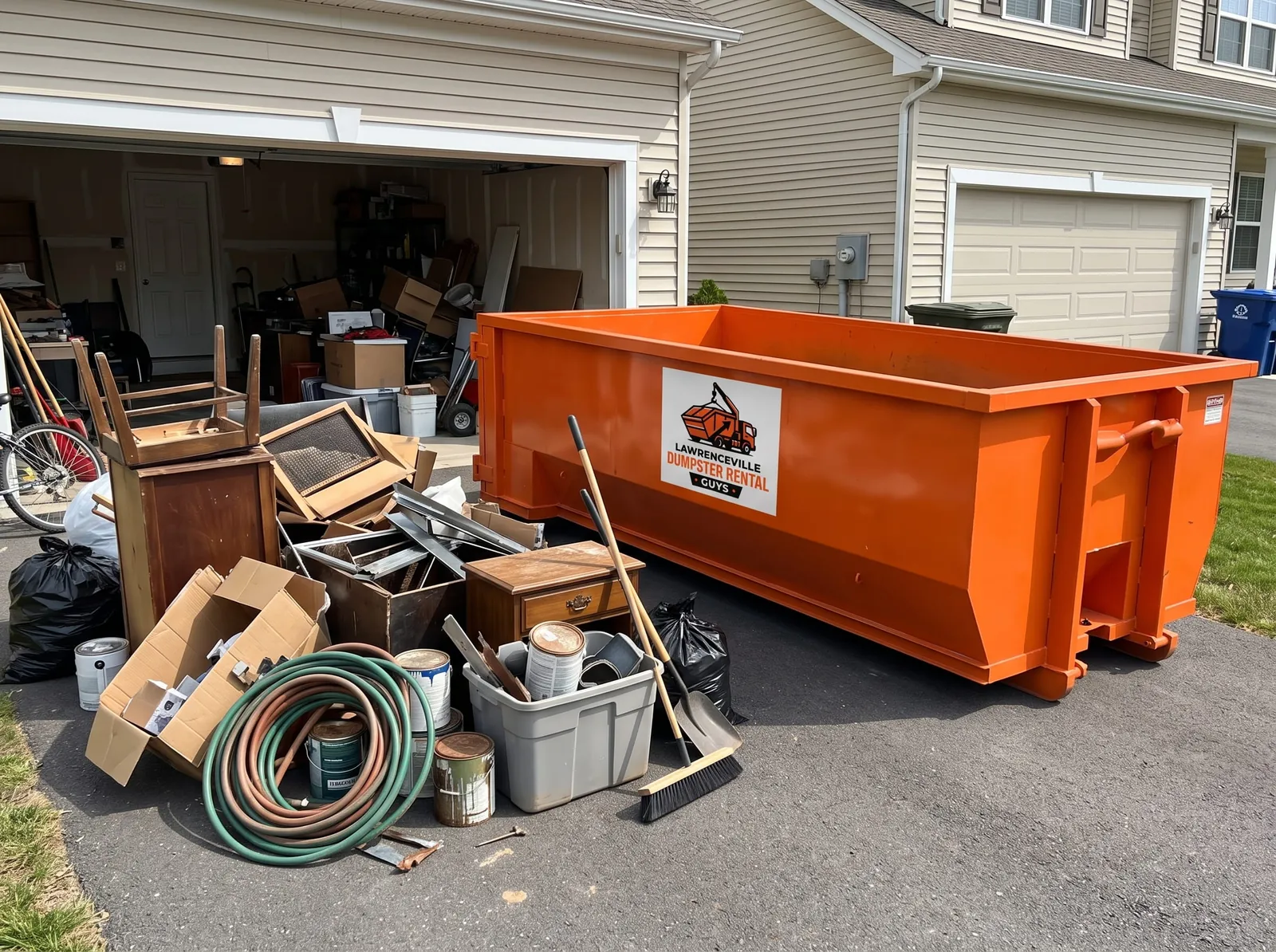
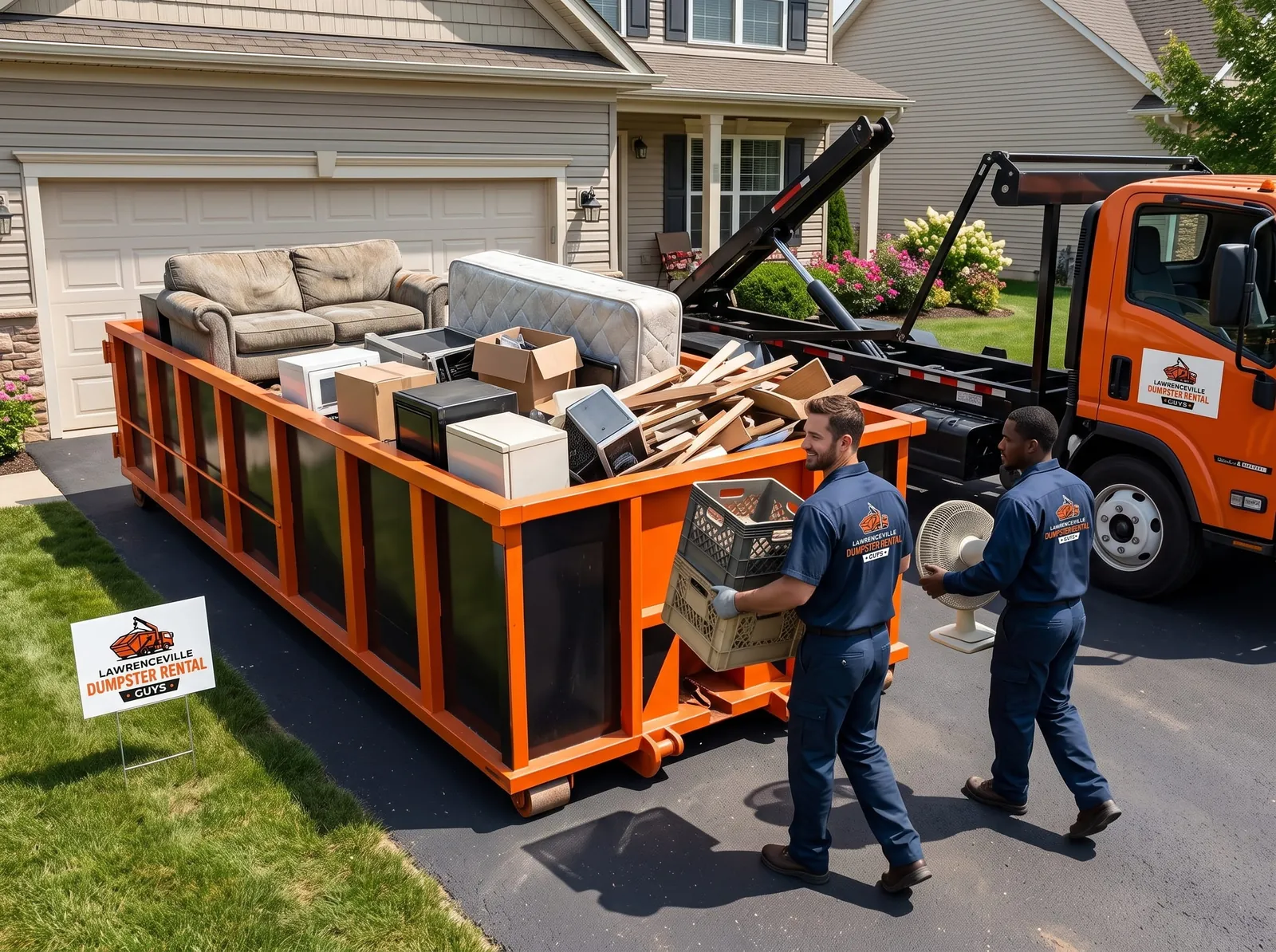
- Household junk: furniture, mattresses, clothing, toys, boxes, general clutter
- Construction & demolition debris: drywall, lumber, framing, plaster, insulation, cabinetry, countertops
- Flooring: carpet, padding, hardwood, laminate, tile (tile adds weight)
- Roofing: asphalt shingles, underlayment (weight-limited — ask us)
- Fixtures: sinks, tubs, toilets, vanities, doors, windows, trim
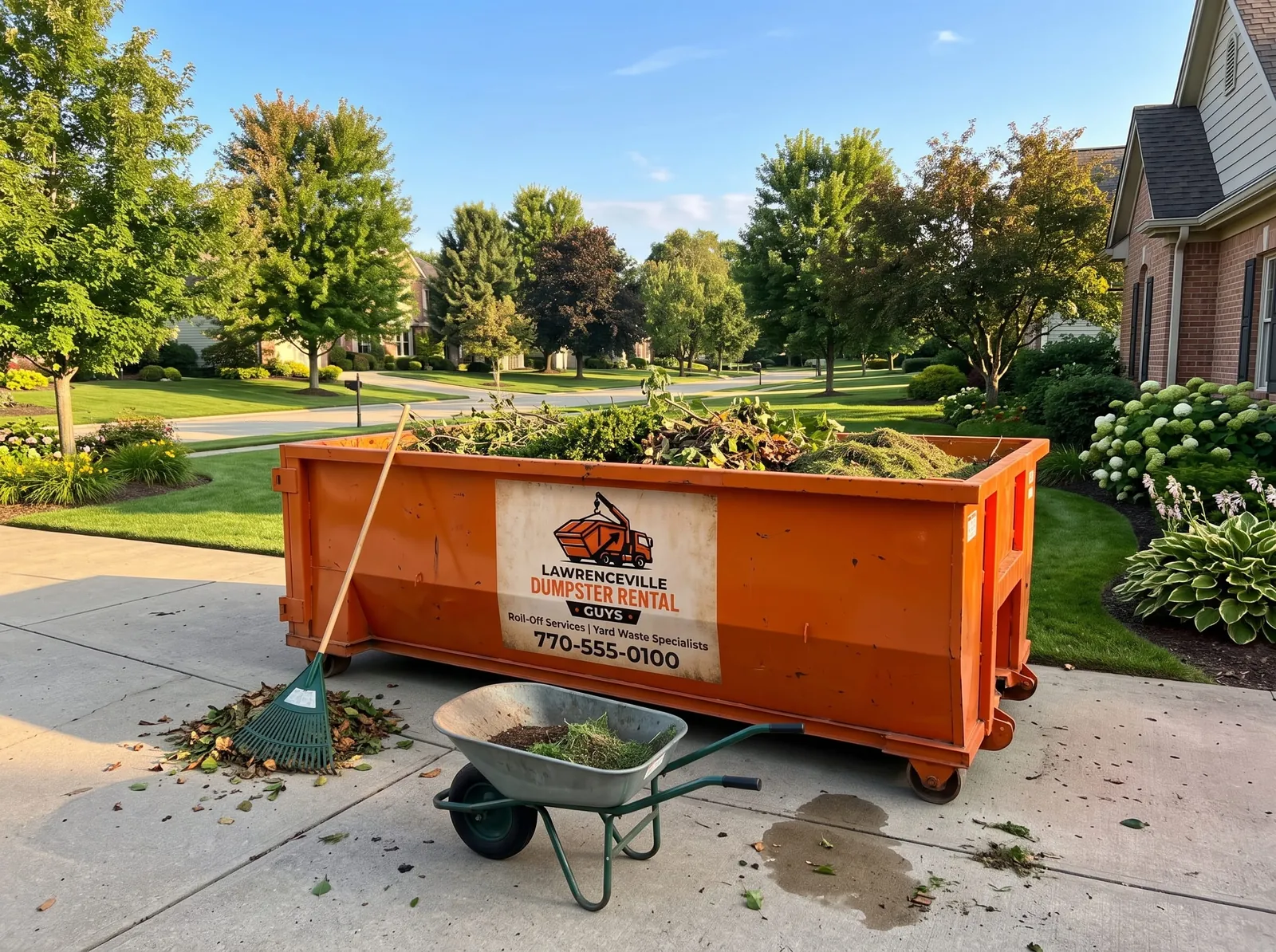
- Yard waste: branches, brush, leaves, grass, sod (keep it separate for recycling when possible)
- Heavy debris in the right container: concrete, brick, dirt, asphalt — in a weight-appropriate box
- Non-hazardous scrap: most metals, small amounts of wood and yard mix
In short, the vast majority of what a remodel, cleanout or yard project generates is welcome.
What You CAN'T Put in a Dumpster
These items are prohibited almost everywhere, and for good reason. Please keep them out of your roll-off:
- Hazardous materials: paint (liquid), solvents, oils, gasoline, pesticides, pool chemicals, adhesives
- Asbestos: requires licensed abatement and special disposal
- Tires: banned from landfills; recycled separately
- Batteries: car batteries and rechargeables (fire and contamination risk)
- Appliances with refrigerants: refrigerators, freezers, AC units (Freon must be reclaimed first)
- Electronics (e-waste): TVs, monitors, computers — restricted in many areas
- Flammable or explosive items: propane tanks, aerosols, ammunition
- Medical & biohazard waste
- Wet paint and liquids of any kind
The 'It Depends' Middle Ground
A few items sit in a gray area and are worth a quick conversation:
Appliances without refrigerant (stoves, washers, dryers, dishwashers) are generally fine. Fridges, freezers and AC units need their refrigerant professionally reclaimed first — mention them and we'll advise.
Mattresses are accepted by us, though some facilities charge a small handling fee because they're awkward to process. We'll let you know if it applies.
Electronics vary by local rules. Often it's easier and greener to take TVs and computers to an e-waste recycler.
Dried-out paint cans (fully hardened, lids off) are sometimes accepted where liquid paint isn't. When in doubt, harden small amounts with kitty litter or take them to a paint drop-off.
Where to Take Prohibited Items in Gwinnett County
Getting a 'no' on an item doesn't mean you're stuck. Gwinnett County offers solid options for the tricky stuff:
The county's household hazardous waste events and facilities accept paint, chemicals, and similar materials — check the Gwinnett County solid waste pages for current dates and locations. For electronics, look for local e-waste recycling drop-offs and retailer take-back programs. Tires can go back to most tire retailers, and car batteries are accepted (often for a small credit) at auto-parts stores. For general guidance on recycling and disposal, the EPA's recycling resources are a helpful starting point.
Special Case: Appliances, Electronics & 'White Goods'
Large appliances — often called 'white goods' — deserve their own explanation because the rules split them into two groups. Appliances without refrigerant, like stoves, ovens, washers, dryers and dishwashers, are generally fine to toss. Appliances with refrigerant — refrigerators, freezers, wine coolers, dehumidifiers and window AC units — are the problem. Federal rules require that refrigerant (Freon and similar) be professionally recovered before the unit is scrapped, so these can't just go in the box. Set them aside and we'll advise on the right path.
Electronics are the other modern headache. Old TVs (especially heavy CRT tube sets), monitors, computers and printers contain lead, mercury and other heavy metals, and many jurisdictions restrict them from regular disposal. The greener and often easier route is a dedicated e-waste recycler or a retailer take-back program. It keeps toxins out of the ground and usually costs little or nothing.
How to Prep Tricky Items for Proper Disposal
A little prep turns 'I can't get rid of this' into 'done.' A few practical tips:
- Small amounts of liquid paint: harden it. Stir in kitty litter, a commercial paint hardener, or even sawdust, let it dry solid with the lid off, and many facilities will then accept it. Larger volumes belong at a household hazardous waste drop-off.
- Propane tanks: exchange or return them at retailers that handle them — never toss a pressurized tank.
- Car and rechargeable batteries: auto-parts and home-improvement stores commonly accept them, often for a small credit.
- Tires: most tire shops will take them back for a modest recycling fee.
- Documents with personal info: shred before disposal to protect against identity theft, especially during a cleanout.
Taking ten minutes to route these correctly protects your load from rejection and keeps hazardous material out of the waste stream.
Why These Rules Exist
The prohibited list isn't red tape for its own sake. Liquids and hazardous chemicals can leach into groundwater. Refrigerants damage the ozone layer and are federally regulated. Tires trap methane and destabilize landfills. Batteries and electronics leak heavy metals. And flammables are a genuine danger to the crews who handle and process the load. Keeping these items out of the roll-off protects the environment, keeps disposal costs down for everyone, and keeps people safe — which is a big part of the responsible disposal we're committed to.
There's a practical upside for you, too. Loads that arrive clean and free of prohibited items move through disposal facilities smoothly, without contamination fees or rejected hauls. When everyone keeps the bad stuff out, disposal stays cheaper and faster for the whole community — and that's part of how we keep our flat rates fair.