Nobody likes a surprise on the invoice. With dumpster rentals, those surprises almost always come from one of two things: going over your weight allowance, or overfilling past the fill line. The good news? Both are completely avoidable with a little planning. Here's how to keep the price we quote as the price you pay.
In this guide
- How Flat-Rate Pricing and Weight Allowances Work
- Why Loads Go Overweight (It's Almost Always Density)
- Load Smart: Distribute, Break Down, Fill Evenly
- Respect the Fill Line — Don't Overfill
- Separate Heavy Debris Into the Right Container
- Estimate Weight Before You Start
- Real Numbers: How Much Common Debris Weighs
- A Loading Plan That Maximizes Every Cubic Yard
- When an Overage Is Actually the Smart Move
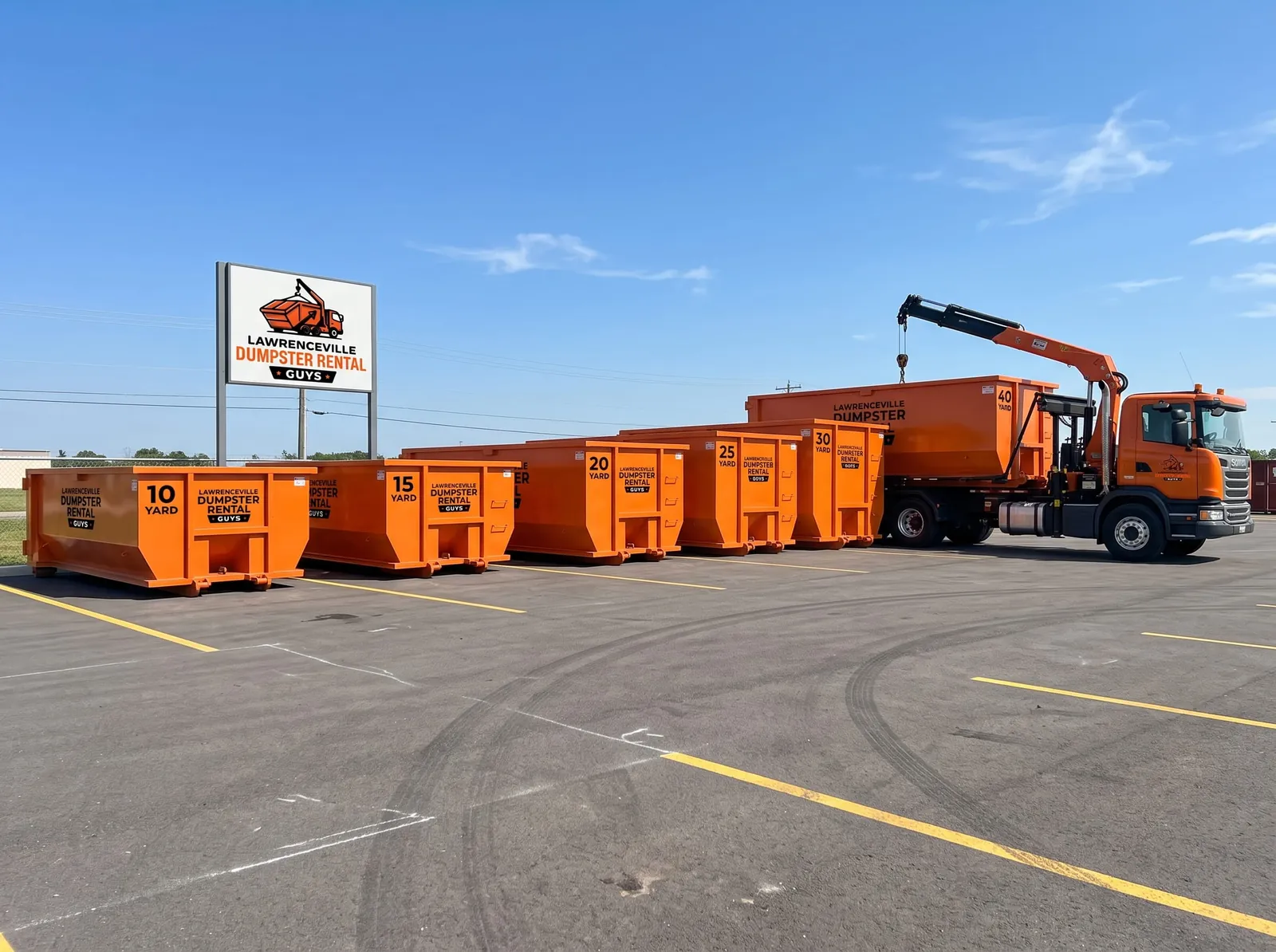
- Rent the Right Size the First Time
How Flat-Rate Pricing and Weight Allowances Work
When we quote a flat rate, it bundles delivery, pickup, your rental period and disposal up to a set weight allowance. That allowance — measured in tons — is generous for typical debris, and most customers never come close to it. An overage fee only kicks in if your load weighs more than the included tonnage, and it's charged at a clear per-ton rate we tell you upfront. There's nothing hidden here; the key is simply understanding that weight, not just volume, is part of the deal.
Why Loads Go Overweight (It's Almost Always Density)
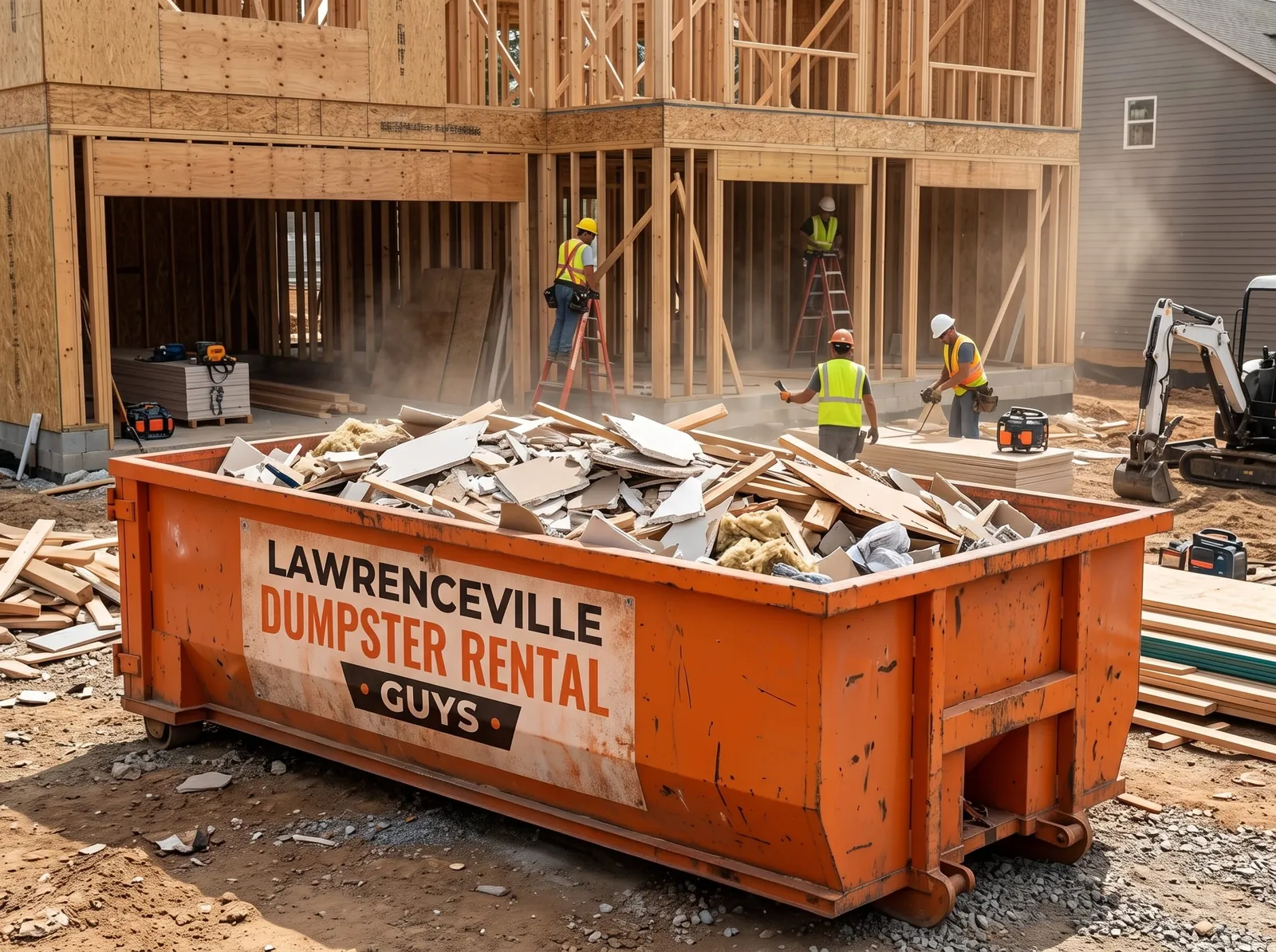
People rarely go over on furniture and boxes. They go over on dense material: concrete, brick, tile, dirt, gravel, wet drywall and roofing shingles. A modest-looking pile of concrete can weigh more than an entire container of household junk. Water is the other culprit — debris that's been rained on soaks up serious weight, which is one reason keeping a lid or tarp handy during a long rental can pay off.
If your project involves a lot of concrete, dirt, or shingles, weight — not volume — is your limiting factor. Plan around it.
Load Smart: Distribute, Break Down, Fill Evenly
How you load matters more than people think. A few habits go a long way:
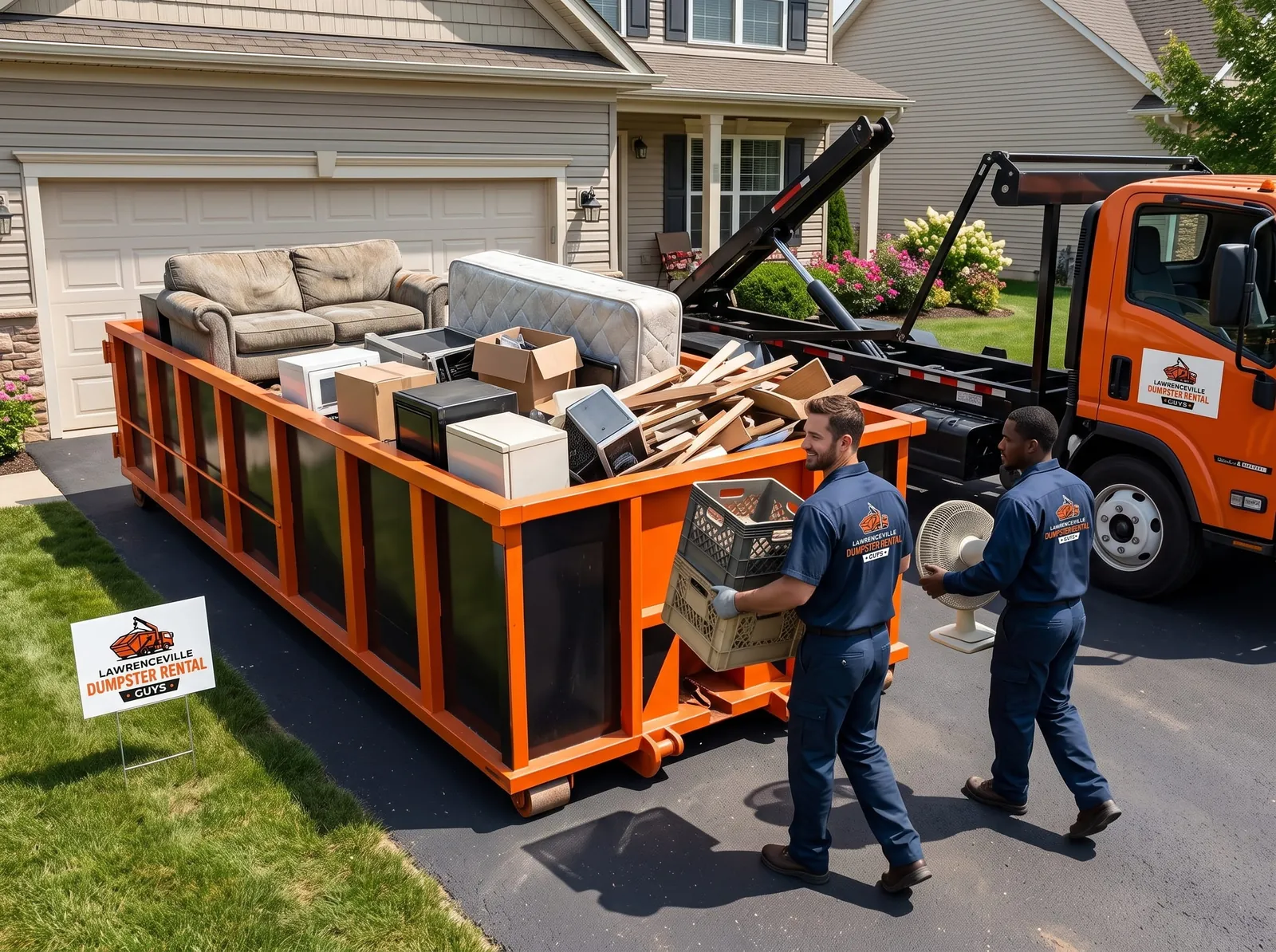
Break large items down. Snap apart furniture, flatten boxes, and cut long lumber so pieces lie flat. Air gaps waste capacity; a broken-down load fits far more in the same space.
Load flat and even, heaviest first. Put flat, heavy items on the bottom and distribute weight across the container rather than piling it at one end. An evenly loaded box is safer to haul and easier to fill completely.
Fill the corners and work in layers. Treat it like packing a moving truck — a deliberate, layered load can hold noticeably more than debris tossed in randomly.
Respect the Fill Line — Don't Overfill
Every roll-off has a fill line at the top of the walls, and it's there for a legal reason: a container heaped above the rails can't be safely tarped or transported. If debris is mounded over the top when our driver arrives, we may not be able to haul it until it's leveled — which can mean a wasted trip and a delay.
Keep everything at or below the top edge. If you're close, that's usually a sign you either sized a bit small or could break debris down further. Level loads keep everything moving on schedule.
Separate Heavy Debris Into the Right Container
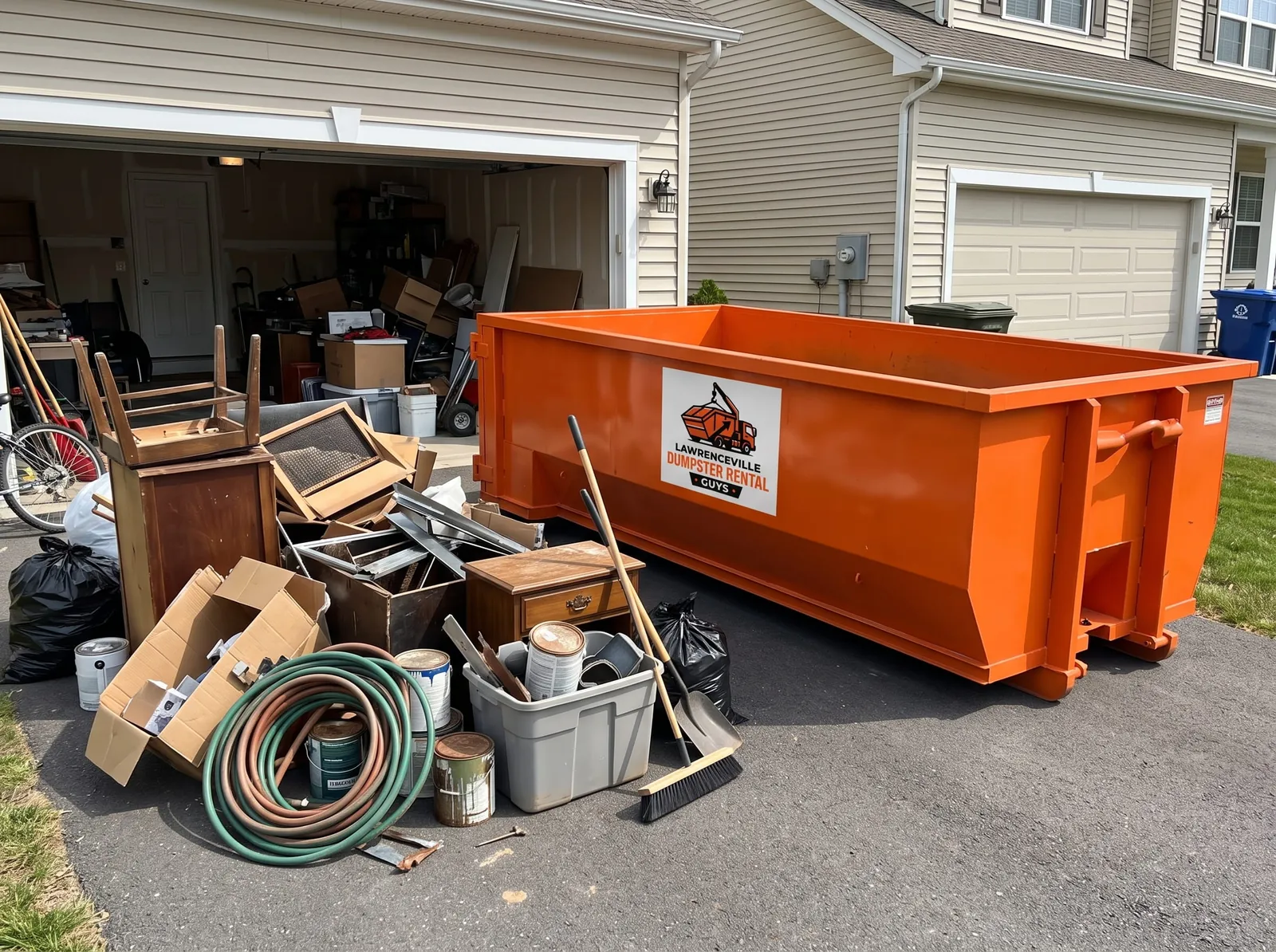
This is the single biggest overweight-saver: don't dump a lot of concrete, dirt or masonry into a large mixed-debris box. Heavy inert material belongs in a dedicated, weight-appropriate container — usually a 10-yard. If you've got both a pile of concrete and a pile of general debris, it's often cheaper and cleaner to handle them separately. We'll help you plan it when you call.
Estimate Weight Before You Start
You don't need to be precise, just aware. Roofing shingles run roughly two to three tons per typical roof's worth. Concrete and dirt are extremely heavy per cubic yard. Household junk and yard brush are light. If your project is dominated by heavy material, mention it up front so we can set the right allowance and size — that one sentence prevents almost every overweight surprise.
Real Numbers: How Much Common Debris Weighs
Weight is abstract until you see the figures. These are rough per-unit estimates to help you sanity-check a load before you fill the box:
| Material | Approx. Weight | Takeaway |
|---|---|---|
| Asphalt shingles | ~2–3 tons per roof | Weight-limited — plan the allowance |
| Concrete / brick | ~1.5+ tons per cubic yard | Small container only |
| Dirt / soil | ~1+ ton per cubic yard | Very heavy — keep quantities modest |
| Drywall | ~500 lbs per 10 sheets | Moderate; gets heavier when wet |
| Household junk / furniture | Light for its volume | Volume is your limit, not weight |
| Yard brush / branches | Light (heavier with soil) | Watch root balls and sod |
The pattern is clear: anything that came from the ground or a masonry wall is heavy; anything that came from inside your home is light. Build your load around that reality and overweight surprises basically disappear.
A Loading Plan That Maximizes Every Cubic Yard
Think of loading a dumpster like packing a moving truck — a plan beats a pile every time. Start with flat, heavy, rigid items on the bottom: plywood, doors, countertops, broken-down furniture panels. These create a stable, level base. Next, fill the mid-layer with bulky items, tucking smaller debris into the gaps as you go so you're not shipping air. Save flexible, fill-anywhere material — bagged soft goods, insulation, brush — for last, to pack the remaining voids.
Break everything down that can be broken down. A disassembled bookshelf takes a fraction of the space of an intact one. Flatten boxes. Cut long lumber. Nest smaller items inside larger ones. This single habit routinely lets people fit a job into one size smaller than they expected — the ultimate money-saver.
When an Overage Is Actually the Smart Move
Occasionally, going slightly over your weight allowance is the rational choice. If consolidating everything into one heavier load avoids a second delivery fee, the modest per-ton overage can still come out ahead. The point isn't to fear every pound — it's to know your allowance and make a deliberate decision rather than getting blindsided. When you book, we'll tell you the allowance and the overage rate plainly, so you can do that math with real numbers instead of guessing.
Rent the Right Size the First Time
Overage and overfill problems often trace back to a sizing mistake. Ordering too small tempts you to overfill; ordering a giant box for heavy debris tempts you to overload it. Getting the size right from the start is your best protection. Our dumpster sizing guide breaks it down by project, and our size comparison lays out every option — or just call and we'll match it to your job.